At the moment in this blog, I’m reporting on the workshop I led at IATEFL 2025 in Edinburgh: ‘Teaching speaking as a skill: innovative ways of correcting’. I showed a series of short films from real classes, and the fifty or so participants discussed what we’d watched.
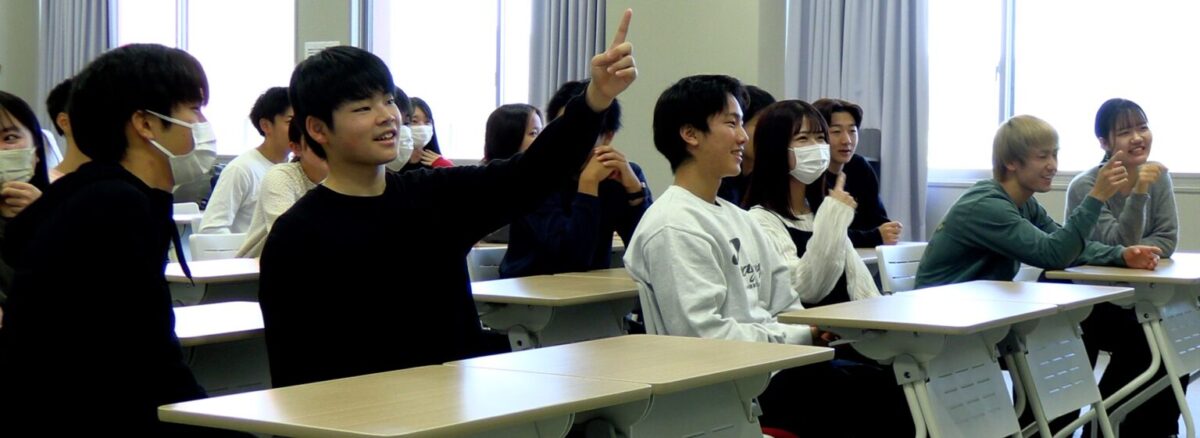
Here’s the fourth film. It’s from a large class of about 30 Japanese first year University students studying for one of the professions allied to medicine.
This was the first time this class had worked with this teacher. And we noted how intuitive the use of fingers is – you don’t need to explain anything and its easy to do for large or small classes.
We also reflected on the fact that the teacher didn’t give a rule or acronym for how to order adjectives. These students had all had 8 years or so English at school and had certainly been told about this rule. What they won’t have had is much experience of speaking English and of constructing sentences spontaneously about changing situations. So that’s the experience this teacher was trying to provide – no text book and no notes, just speaking.
One of the participants thought that her students would react badly to the moment when the teacher got everyone to clap the student’s attempt. Which reminds us that the context of each class is important and we need to be in touch with what is going to build rapport with each group of students. Having said that, the video demonstrates that for this class in this context the teachers’ action was effective and supportive.
Video of this complete lesson, including reflection from the teacher and student feedback is available so you can see how the teacher built to this point and how he got and kept the students engaged. Click here for the whole lesson.