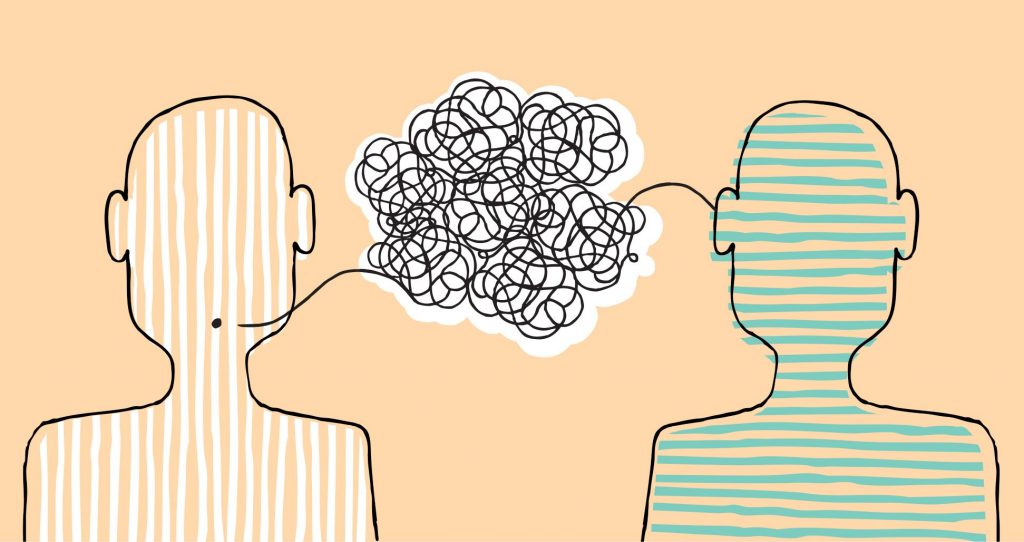
It’s pretty obvious that if students’ pronunciation is poor, they are probably going to find it hard to decode what’s being said to them–their mental image of the language is probably distorted.
We can’t work directly on what people hear or what they make of what they hear: it happens inside their heads. But with pronunciation we have something to work on: how they sound. And we can improve that by training how they use themselves when speaking English. So that gives teachers a place to start helping students with listening.
If we work properly on pronunciation–in English especially reductions, stress, contractions, connected speech and intonation–then as well as training students how to use their mouths and muscles we are also helping them to build better mental representations of how English sounds. And every time they open their mouths and speak well, they will be reinforcing these mental images. Once their pronunciation is good, then they stand a chance of decoding what they hear.
They’ll still need some specific training–every type of skill needs its own particular development and practice, and speaking and listening are distinct skills. And they’ll need to grow their vocabulary. Nevertheless they will have what is the key foundation on which to build.
What’s more, it’s two for the price of one! They improve their pronunciation and at the same time they lay the foundations for listening,
Therefore, before you start working on listening, work on students’ pronunciation.