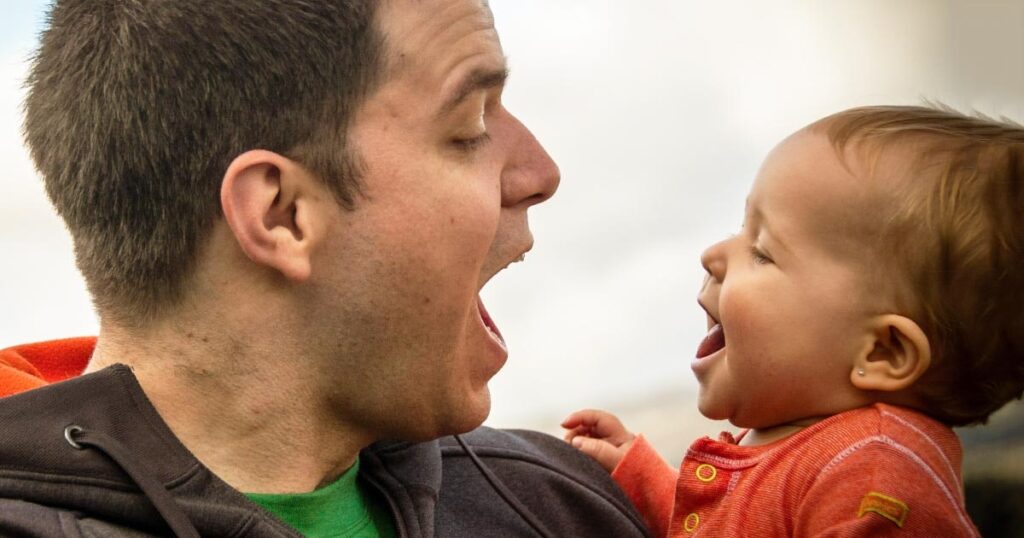
Probably everyone who starts learning a language has unrealistic expectations about how long it takes. Especially when you see people advertising ‘fluent in x months’ or ‘learn a language fast!’ … if you were to believe these adverts then you’d have to conclude that babies are really, really slow at learning their native language.
By the time young children can speak their native language they have spent three or four years of development. Adults and children don’t learn in the same way but it’s instructive to reflect on what has to happen for someone to learn a new language, and the fact that making the necessary changes to yourself is a substantial task.
First, retraining yourself to make the vocal movements needed to pronounce the new language well. Secondly, becoming familiar with how the language ‘works’: how it expresses spatial, temporal, personal and causal relationships etc. And practising these skills (and sleeping on what you’ve practised) until they become automatic capabilities which you can call on with little effort when they are required. And once you are at this stage, allowing your vocabulary to expand into all you need for daily life and your interests.
So, just like babies and small children, we should expect our journey to learn a foreign language to take a few years. Not a few months … but equally, not forever.